
Choosing a domain name often feels like the moment when an idea becomes real. You type the name you have been thinking about for weeks, press search, and then see the message no one wants to see: already taken. At that point, many people freeze or rush into a quick compromise they later regret.
A taken domain does not mean the end of a good idea. It simply means the process needs more strategy, patience, and flexibility.
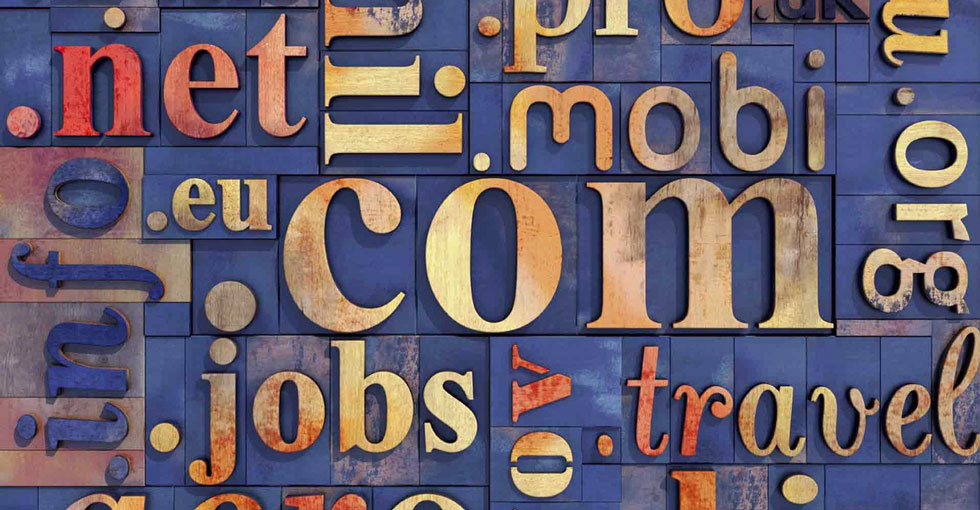
A strong domain is not just a label. It influences credibility, memorability, and how easily people can find you online. When your first choice is unavailable, the goal is not to force a replacement but to rethink the decision with a broader perspective.
Pause before changing everything.
The first reaction is often to add random characters, extra words, or awkward spelling. This approach usually produces a name that feels improvised and weak. Before changing anything, it helps to understand why the domain is taken.
Some domains belong to established brands. Others sit unused for years, parked or forgotten. At this stage, it is worth slowing down and reviewing your priorities. Is the exact wording critical, or is the idea behind the name more important?
Many successful brands operate under names that were not their founders’ first choice. What mattered was clarity, tone, and consistency over time.
Check whether the domain is actually active.
A taken domain does not always belong to a live business. Sometimes it leads to a blank page, a parking page, or a simple “for sale” notice. Visiting the domain directly can reveal this in seconds.
Inactive domains are often easier to acquire than those tied to growing companies. Tools that allow you to search available website domain names at vsys.name can also provide useful context, such as ownership data, registration dates, and expiration timelines.
Older domains with no real content may eventually expire. Monitoring them can be a practical long-term acquisition strategy.
How to evaluate the fair value of a domain name?
When a domain is available for purchase, the next question is price. Domain valuation is not arbitrary, but it is rarely fixed either.
Several factors influence a domain’s fair value:
- Length and simplicity of the name.
- Use of common words or brandable terms.
- Existing search demand for the keyword.
- The domain’s history and age.
- Commercial relevance of the niche.
A short, generic domain in a competitive industry naturally commands a higher price than a long or obscure one. The goal is not to overpay, but to assess whether the asking price aligns with the strategic value the domain brings to your project.
Consider reaching out to the owner.
Contacting a domain owner may feel intimidating, but it is common practice. Many owners register domains as investments and are open to reasonable offers.
A short, professional message expressing interest is usually enough to start a conversation. Avoid emotional language or pressure. Treat the domain like any other digital asset.
Even if the price turns out to be higher than expected, the conversation itself provides clarity. Knowing whether the domain is realistically obtainable helps you decide whether to negotiate, wait, or move on.
Using domain brokers and escrow services.
For higher-value domains, direct negotiation is not always ideal. This is where domain brokers and escrow services become relevant.
Domain brokers can:
- Handle negotiations discreetly.
- Assess realistic pricing.
- Reduce emotional or strategic mistakes.
Escrow services protect both sides by ensuring that payment and ownership transfer happen securely and fairly. This is especially important when dealing with four- or five-figure domain transactions. Using professional intermediaries adds cost, but it significantly reduces transaction risk.
Rethink the structure of the name.
If the exact name is unavailable, adjusting its structure can preserve the core idea without weakening the brand. This may involve adding a meaningful descriptor, verb, or industry-related term.
The key is intentionality. A domain should sound natural when spoken aloud. If it constantly requires explanation or spelling corrections, it may create friction later.
This is also where reviewing a domain extensions overview becomes useful. Different extensions can significantly influence how a name feels, how it is interpreted by users, and how it is perceived across different markets.
Use domain extensions with purpose.
Modern domain extensions are no longer a last resort. Many audiences now accept alternatives that signal purpose, industry, or geography.
A technology project may benefit from a specialized extension, while a regional business can gain clarity through a country-specific one. When used thoughtfully, the right extension can make a domain clearer and more distinctive than a forced variation of a .com name.
Relevance matters more than convention.
The impact of a domain name on SEO.
While a domain alone does not guarantee rankings, it still plays a role in search visibility and user behavior.
A good domain can:
- Improve click-through rates from search results.
- Increase brand recall, leading to more direct traffic.
- Support clearer topical association.
Exact-match keywords are no longer a requirement, but clarity and relevance still matter. A domain that aligns with user intent is easier to trust and remember, which indirectly supports long-term SEO performance.
Test memorability and perception.
Before settling on a modified name, test it in real-life scenarios. Say it out loud. Imagine it in an email address, on a business card, or in a short social bio.
Ask simple questions:
- Does it sound trustworthy?
- Is it easy to recall?
- Does it clearly suggest purpose?
Feedback from people outside the project is often more valuable than internal debates.
Avoid legal and brand conflicts.
A taken domain may signal an existing trademark or brand presence. Even if the domain is inactive, using a similar name can lead to legal complications or confusion later.
A quick trademark check can prevent expensive problems. A strong domain should protect your identity, not blur it.
Think long-term, not just launch day.
A domain choice affects years of communication, marketing, and reputation. Short-term convenience should not outweigh long-term clarity.
Some projects launch under temporary domains while securing the final name. This allows progress without locking into a weak decision too early.
Closing perspective.
Discovering that your desired domain name is taken can feel discouraging, but it often leads to better outcomes. It forces a closer look at branding, SEO, and strategic positioning.
A good domain is not defined by perfection, but by fit. When a name aligns with purpose, usability, and long-term goals, it gains value over time — even if it was not the first option typed into the search bar.
