
Green hydrogen is often called the fuel of the future—clean, abundant, and capable of transforming industries. But beyond the buzz, one critical question remains:
Is green hydrogen actually profitable?
The answer isn’t a simple yes or no. It’s a “not yet… but soon” story.
The current reality – expensive but promising.
Today, producing green hydrogen costs roughly $3 to $7 per kg, depending on electricity prices and technology. Mass production may reduce costs.
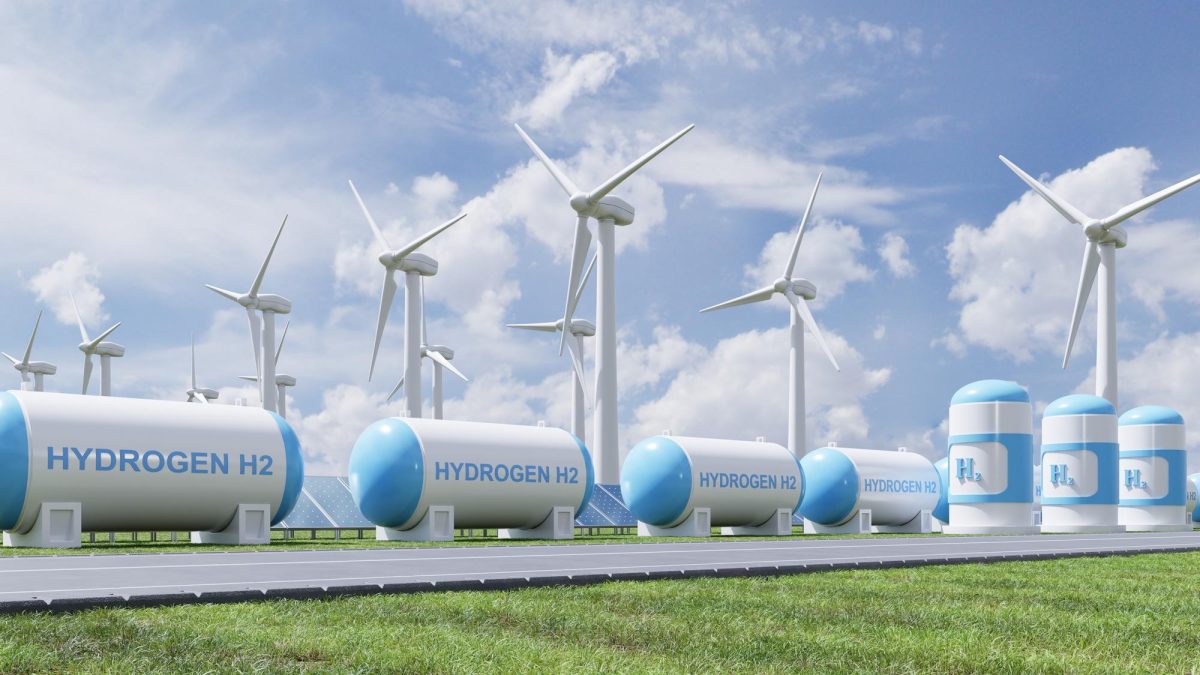
In comparison, traditional (grey) hydrogen costs closer to $1 to $2 per kg.
That gap is the main reason profitability is still limited.
Why is it expensive?
- Electricity (from renewables) makes up 70–80% of the cost.
- Electrolyzers are still relatively costly.
- Infrastructure (storage, transport) is underdeveloped.
In simple terms: Green hydrogen is clean—but not yet cheap enough.
Where it’s already profitable (or close).
Despite high costs, green hydrogen is becoming viable in specific scenarios:
1. Regions with ultra-cheap renewable energy.
Countries with abundant solar or wind (like India, Australia, Middle East) can produce hydrogen more cheaply.
2. Industries facing carbon penalties.
Sectors like steel, ammonia, and refining are under pressure to decarbonize. Paying a premium for green hydrogen can still make financial sense due to:
- Carbon taxes.
- ESG commitments.
- Regulatory pressure.
3. Government incentives.
Subsidies, tax credits, and policy support are bridging the cost gap.
The turning point – costs are falling fast.
Green hydrogen isn’t profitable today at scale—but it’s moving in that direction quickly. As new tech is getting mainstream costs are falling.
Key drivers of cost reduction:
- Falling solar and wind prices.
- Mass production of electrolyzers.
- Technology improvements (PEM, AEM, SOEC).
- Better system efficiency.
Industry projections suggest costs could drop to: $1–$2 per kg by 2030.
At that point, green hydrogen becomes highly competitive—even without subsidies.
Long-term profitability – a strategic bet.
Green hydrogen is less about short-term profit and more about long-term positioning. Think of it like early solar energy:
- Expensive at first.
- Required policy support.
- Eventually became one of the cheapest energy sources.
The same trajectory is expected here.
Key challenges that impact profitability.
Even with falling costs, some hurdles remain:
- Intermittent renewable energy supply.
- High upfront investment (CAPEX).
- Water availability and treatment costs.
- Storage and transportation challenges.
These factors affect real-world project economics.
So, is green hydrogen profitable?
Short answer:
- Today: Limited profitability.
- Tomorrow (2030+): Strong potential.
Real insight:
Green hydrogen is not just a business opportunity—it’s a transition investment.
Companies investing early may face lower margins now, but gain:
- Market leadership.
- Infrastructure advantage.
- Long-term cost benefits.
Final thought.
Green hydrogen sits at the intersection of energy, economics, and sustainability.
It may not be a goldmine today—but it’s shaping up to be one of the most important industries of the next decade. The real question isn’t “Is it profitable now?” It’s “Who will profit the most when it becomes inevitable?”

Leave a Reply