
Table of contents:
- The rise of flexible online education.
- Bridging the skills gap.
- Personalized learning experiences.
- Enhancing career prospects.
- Lifelong learning and career transitions.
- Employer recognition of online credentials.
- The future of online education.
- Final thoughts.
In today’s dynamic and technology-driven job landscape, the conventional career path is evolving into a more adaptable, multifaceted journey. Online education sits at the heart of this transformation, breaking down barriers to higher learning and enabling individuals to advance without disrupting their existing commitments. Many professionals now turn to St. Thomas University degrees and other flexible online options to achieve their academic and career objectives at their own pace.
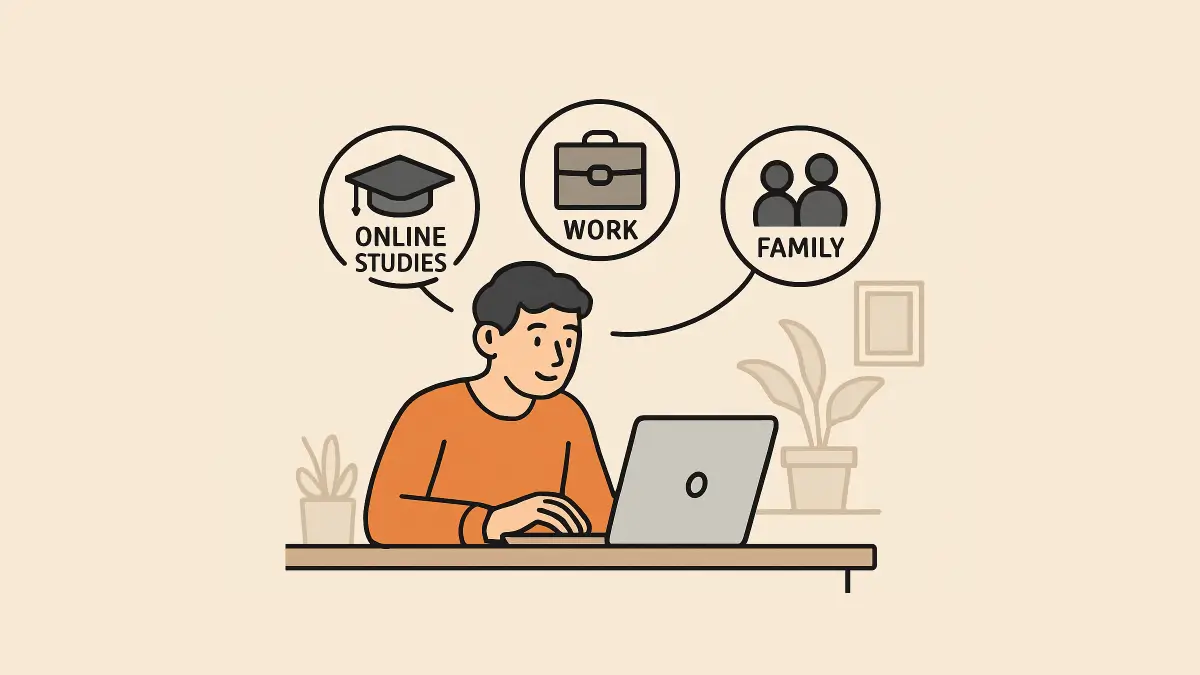
This expansion of online education provides greater access to training and credentials, regardless of location or personal circumstances. By embracing remote learning, learners from diverse backgrounds can balance studies, work, and life in ways previously unimaginable. Consequently, the opportunity to build tailored career pathways while constantly upgrading professional skills is more accessible than ever.
The rise of flexible online education.
Flexible online degrees have rapidly opened doors for a wider population of learners. Universities and colleges now offer a vast array of remote programs that adapt to students’ unique schedules and needs. Adults juggling professional careers, caregivers with limited free time, and people in rural communities are all benefiting from this increased access. Educational institutions like St. Thomas University have responded to market demand, making degree programs more accommodating and inclusive.
Within this ecosystem, the student experience is no longer limited by physical classrooms or fixed class times. Learners use digital platforms to engage with professors, participate in discussions, and access resources from anywhere in the world. This agility fosters an educational environment where achievement is dictated by dedication and ambition rather than logistical convenience.
Bridging the skills gap.
Modern workplaces require adaptability and ongoing skill development to stay competitive. As industries continuously evolve, employers are increasingly valuing skill-based credentials over traditional degree requirements. According to a Forbes report, more than 80 percent of executives prioritize practical skills and are looking to alternative talent sources, including freelancers, for essential positions.
This fundamental shift prioritizes hands-on learning and real-world application. Short-term online programs, industry-specific certifications, and micro-credentials have become key elements in addressing the skills gap. For job seekers and employees alike, these focused learning options are powerful tools for maintaining relevance while advancing toward new opportunities in the market.
Personalized learning experiences.
Personalization has become a cornerstone of modern online education. Leading online degree platforms integrate artificial intelligence and adaptive technologies to tailor instruction to each learner’s needs. By assessing performance and learning preferences, these systems present content at the right pace, improving outcomes and engagement for every student.
Notably, a 2025 research study published in ScienceDaily found that adaptive systems significantly enhance critical thinking, learning efficiency, and problem-solving among undergraduate students. These advancements reduce the frustration of one-size-fits-all curricula, motivating students to persist and succeed in their educational efforts.
Enhancing career prospects.
The value of online degrees extends far beyond textbook learning. Many online programs are now crafted in conjunction with industry leaders to ensure immediate applicability and relevance. For instance, joint initiatives between universities and well-known technology companies equip graduates with sought-after credentials and job-ready skills.
These real-world connections provide invaluable networking opportunities and hands-on experience, bridging the gap between theory and practice. This synergy elevates the employability of program graduates and enables professionals to secure competitive positions or even shift careers without interruption to their working lives.
Lifelong learning and career transitions.
The notion of a single, unbroken career path is being replaced by lifelong learning. As industries experience rapid change, professionals are pivoting more frequently, stepping into entirely new fields, or acquiring fresh skill sets to remain relevant. Flexible online degrees play a crucial role in supporting these transitions, allowing workers to reskill or upskill while employed.
Whether changing industries or advancing in an existing role, online education’s flexibility enables anyone to maintain continuous growth without placing life on hold. This ability is essential for thriving in a market where job descriptions and business models are in constant flux.
Employer recognition of online credentials.
The acceptance of online degrees and certificates by employers has grown significantly. A sweeping study tracking more than 800,000 individuals found that sharing online course achievements on networking platforms such as LinkedIn led to a measurable increase of approximately 6 percent in new job opportunities within a year. These findings highlight the steadily rising credibility and acceptance of remote learning in professional settings.
The future of online education.
Looking ahead, online education and career development will become even more intertwined. Technological innovations such as virtual labs, highly interactive simulations, and immersive reality environments are transforming the landscape of remote learning. These tools provide real-world experience in safe, virtual spaces, giving students the confidence and competence to tackle complex tasks once they enter the workforce.
As these resources become more widespread, the line between in-person and online learning will continue to blur, making education more accessible, engaging, and directly linked to workplace demands.
Final thoughts.
The rise of flexible online degree programs is revolutionizing both the educational and professional landscapes. By promoting accessibility, customization, and industry relevance, online degrees empower learners from all walks of life to adapt and excel in a constantly changing job market. As acceptance continues to grow and technology enhances the experience, online education is poised to become the cornerstone of career advancement and lifelong professional success.

Leave a Reply