
Electric scooters are transforming urban mobility across cities in India. With more companies entering the market, riders now have a variety of options for eco-friendly commuting and low operating costs.
Among the popular choices, the Bajaj electric scooter has emerged as a strong contender, known for reliable performance and modern features. But if you are thinking about buying one, the first question that often comes to mind is: How much will a Bajaj electric scooter cost?
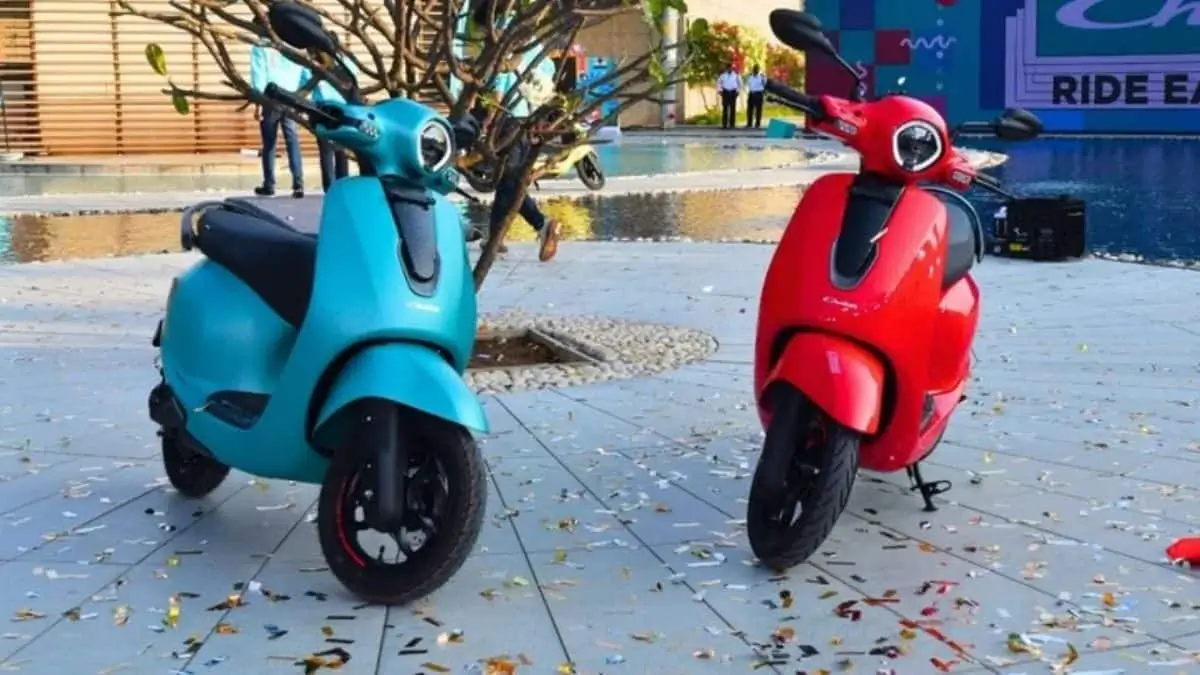
Let’s learn about the key elements that affect the price of the Bajaj electric scooter in India. Understanding these factors will help you choose a model that fits your needs and budget perfectly.
Key Elements Influencing the Price of an Electric Scooter.
Here are the key factors that influence an electric scooter’s price, helping you make an informed choice and select a model that suits your needs and lifestyle.
1. Battery Capacity and Range.
One of the main factors influencing an electric scooter’s price is its battery capacity. Electric scooters with larger batteries can travel longer distances without needing a recharge.
For instance, the Bajaj Chetak C2501 comes with a 2.5 kWh battery, providing a range of 113 km, ideal for city commuting. On the other hand, the Chetak 3502 has a 3.5 kWh battery and a range of 153 km, allowing longer rides between charges.
Bigger batteries cost more to manufacture, which naturally increases the electric scooter’s price. Additionally, scooters with higher-capacity batteries often come with smart battery management, which adds to the overall cost.
2. Charging Type and Speed.
Charging technology also influences the price of the Bajaj electric scooter. Scooters can have on-board or off-board chargers. The Chetak 3501, for example, comes with an on-board charger, allowing convenient home charging, while the Chetak C2501 uses an off-board 750W charger.
Quick charging options usually increase the cost of an electric scooter. Electric scooters with quick charging, like the Bajaj C2501, reach 0–80% in just 2 hours and 25 minutes, offering convenience, safety, and advanced battery technology for a superior ride experience.
3. Motor Power and Top Speed.
Another crucial factor that affects an electric scooter’s price is its motor performance and maximum speed. Electric scooters with higher top speeds and stronger motors allow quicker commutes and better handling in varied traffic conditions.
For example, the Chetak 3501 can reach a top speed of 73 km/h, while the Chetak 3001 reaches 63 km/h. Higher-powered motors require more robust components and precise engineering, which increases manufacturing costs. If you need faster city commuting or occasional highway rides, you may need to invest in a higher-priced model.
4. Build Quality and Body Material.
The material and build quality of an electric scooter also affect its price. Steel bodies, like those on the Bajaj Chetak 3501 and 3502, offer durability and stability but are slightly heavier than lighter materials. Electric scooters with strong body construction ensure long-term reliability, which is a factor reflected in the price of Bajaj electric scooters.
Durable scooters also often include features such as disc brakes, reverse mode, and larger storage compartments, which add to the final cost.
5. Smart Features and Connectivity.
Smart features are increasingly valued by urban riders and play a significant role in determining the price of electric scooters. Modern scooters offer features like app connectivity, digital displays, music control, hill-hold, and hands-free calling.
For instance, the Bajaj Chetak 3501 features a 5-inch TFT touchscreen that displays speed, battery, range, and ride stats. It also supports call accept/reject, hill hold, reverse mode, and guide-me-home lights. Meanwhile, the Chetak C2501, with a colour LCD, includes music play/pause and TecPac unlocking. The more advanced the features, the higher the cost of the electric scooter.
6. Storage and Practicality.
Practicality matters when choosing a scooter for daily use. Scooters with larger helmet boxes and additional storage compartments are slightly more expensive due to design and material considerations.
The Bajaj Chetak 3502 offers a 35-litre helmet box and rear shield storage, perfect for daily commuters who carry bags or groceries. The Bajaj Chetak C2501, being more compact, offers 25 litres of under-seat storage. Scooters that balance space with design efficiency can command a higher price.
7. Brand Value and After-Sales Support.
The value of the brand significantly affects the price of an electric scooter. Bajaj is known for reliability, a service network, and the availability of spare parts. A well-established brand like Bajaj ensures better after-sales service, warranty, and support, which can justify a slightly higher price. Buyers are willing to pay more for peace of mind, knowing their scooter will be serviced promptly and that spare parts will be readily available.
8. Location and Government Incentives.
The price of a Bajaj electric scooter can also vary by city due to local taxes and subsidies. Many state governments offer incentives for electric vehicles, reducing the effective cost. Urban areas may have higher registration fees or road taxes, while certain states provide cashback or discounts, making the scooter more affordable.
It is always advisable to check local policies when calculating the total cost of owning an electric scooter.
9. Model Variants and Customisation.
Finally, the different models and variants of Bajaj Chetak scooters influence the price. The Bajaj Chetak 3501 targets riders who need long range and high speed, while the Bajaj Chetak 3503 focuses on efficiency, with a slightly lower top speed of 63 km/h.
Each variant offers different features, which directly affect the price of the Bajaj electric scooter. Choosing a model that fits your commuting style and daily needs ensures you pay only for the features you actually use.
Get Real Insights on Electric Scooter Price in India Before Purchasing.
A mix of technical, practical, and external factors determines the price of an electric scooter in India. Battery capacity, charging speed, motor power, build quality, smart features, storage, brand reliability, and local policies all play a role in setting the price. Additionally, after-sales service and availability of spare parts can influence the overall cost. Seasonal offers and city-specific incentives may also affect the final price.
Models from brands like Bajaj show how features, range, and design affect pricing, giving urban commuters plenty of options. Whether you prefer a compact city ride or a long-range daily commuter, knowing these factors helps you make an informed decision.

Leave a Reply